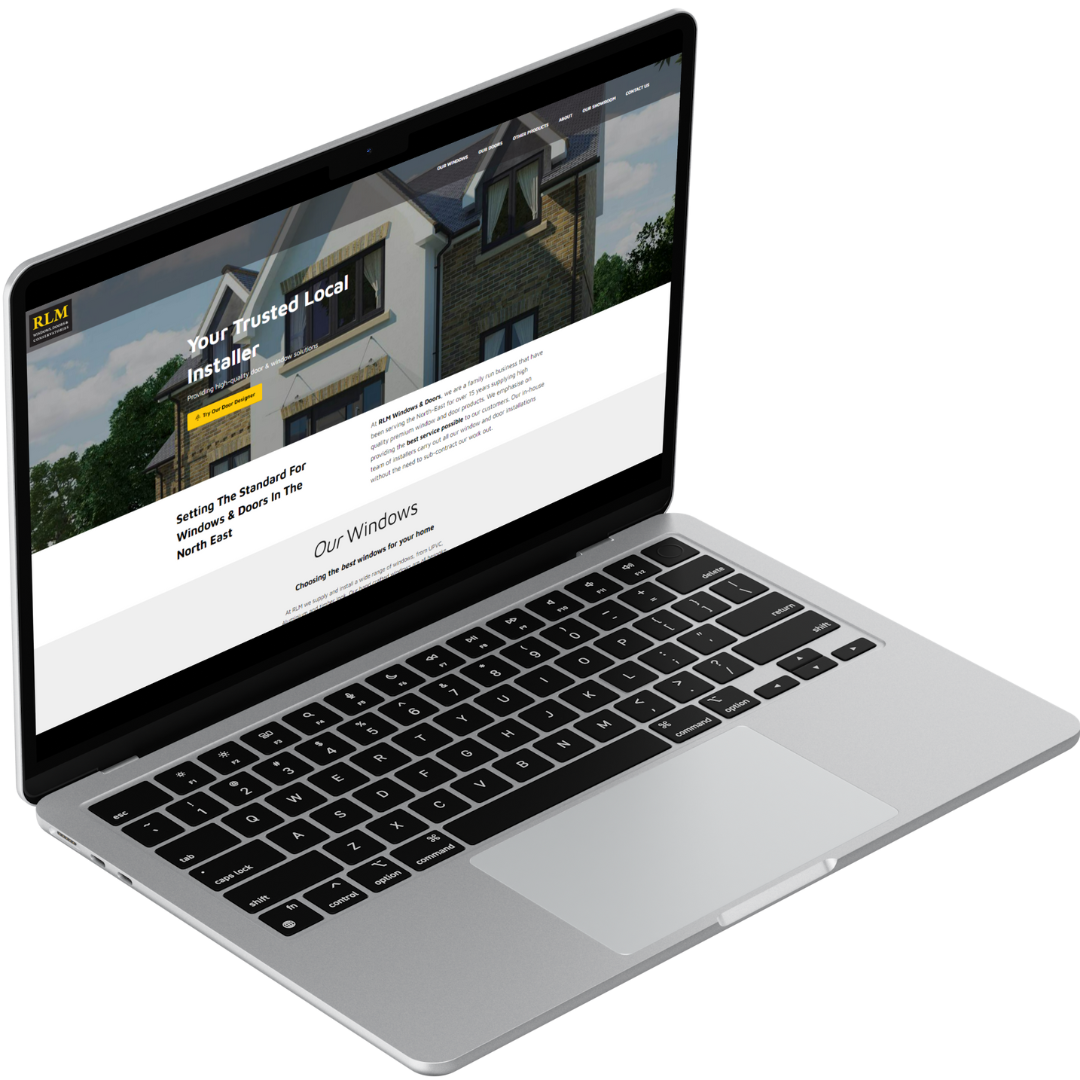
In the UK glazing and home improvement sector, having a website that merely functions as an online brochure is no longer sufficient. Today’s homeowners conduct rigorous online research before inviting a tradesperson into their home. They compare thermal ratings, inspect customer feedback across independent review platforms, and demand transparent pricing signals before picking up the phone.
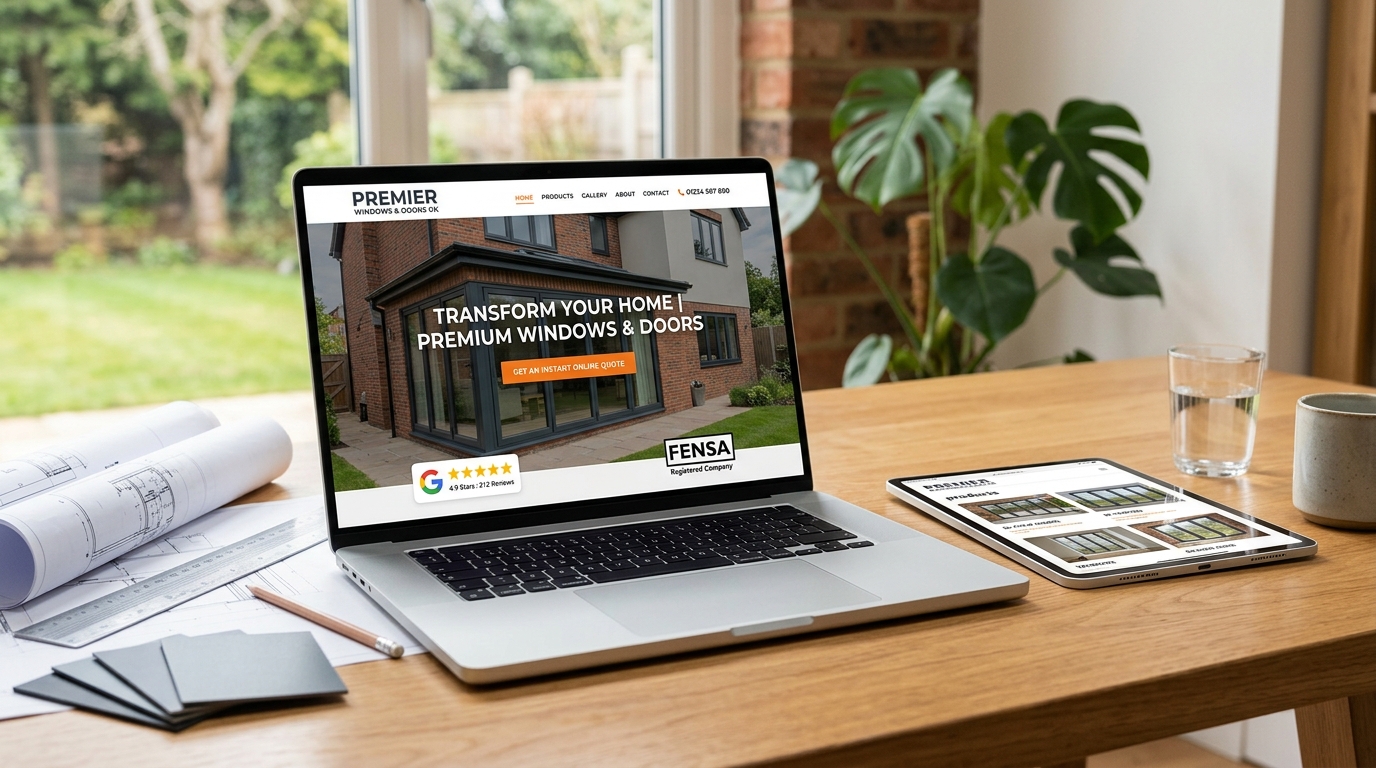
Thank you for reading this post, don't forget to subscribe!Yet, the vast majority of window, door, and conservatory installers still struggle with a common conundrum: healthy website traffic, but painfully low enquiry volumes. If your website receives hundreds of local visitors each month but yields only a trickle of quote requests, the issue rarely lies in your craftsmanship or pricing. It lies in your digital conversion architecture.
To help you transform casual browsers into qualified, high-margin installation leads, we have analysed the highest-performing double glazing websites across the UK. Here are the 7 indispensable elements every window installer’s website must have to maximise enquiry generation and dominate your local territory.
1. Frictionless Instant Online Quoting & Interactive Configurators
The single greatest point of friction on double glazing websites is the ubiquitous, generic “Contact Us for a Quote” contact form. In an era dominated by instant online experiences, modern consumers find vague enquiry forms frustrating—especially when they fear receiving high-pressure sales calls.
By contrast, top-tier window and door websites integrate interactive design tools and price estimators. These allow homeowners to customise their ideal installation directly on screen:
- Selecting product styles: flush sash casements, sliding sash, tilt and turn, or aluminium heritage windows.
- Choosing frame materials and modern colours (such as Anthracite Grey RAL 7016, Agate Grey, Chartwell Green, or Golden Oak).
- Specifying glazing specifications: acoustic glass, triple glazing, solar control, or Georgian astragal bars.
Installers who implement an interactive visual door designer or instant window quote calculator typically see a 35% to 50% uplift in qualified enquiries. Homeowners happily provide their postcode, email address, and phone number in exchange for an instant ballpark guide price.
Crucially, this pre-qualifies the prospect before your sales team reaches out. Your surveyors already know the house style, opening sizes, and specific product interests, allowing them to deliver tailored, consultative advice rather than cold sales pitches.
2. Prominent Local Trust Accreditations & Independent Review Feeds
Windows and doors represent a substantial financial investment for any homeowner, typically ranging from £4,000 for a modest door and window upgrade to upwards of £35,000 for full-house architectural glazing and aluminium bi-folds. Because rogue trader horror stories still circulate, trust is the primary currency of conversion.
Your website must project unquestionable credibility within the first five seconds of a visitor landing on the page. Avoid burying your certifications in the footer. Instead, showcase them prominently above the fold:
- Competent Person Schemes: FENSA or CERTASS registered installer logos, reassuring clients of Building Regulations compliance without local council inspection fees.
- Consumer Protection & Warranty Backing: CPA (Consumer Protection Association) membership, GGFI, or Insurance Backed Guarantees (IBGs).
- Security Accreditations: Secured by Design (SBD) police-preferred specifications and PAS 24 security certification.
- Live Google Review Badges: An automated, live-synced review widget displaying your 4.8+ star rating and genuine homeowner reviews.
Embedding dynamic customer reviews that mention specific local towns (e.g., “Excellent installation in Cheltenham by Dave and the crew”) reinforces both your reliability and your local footprint.
3. Authentic Project Galleries with Before-and-After Transformations
Nothing harms an installer’s credibility faster than plastering standard manufacturer stock photography across every page. Prospective clients can spot stock imagery instantly, and it provides zero proof that your team can execute clean, professional workmanship on homes like theirs.
A high-converting glazing website features a comprehensive, searchable Recent Installations Gallery with side-by-side before-and-after sliders. Focus on capturing the architectural diversity of your service area:
- Replacing draughty timber sashes in Victorian townhouses with authentic uPVC vertical sliders.
- Swapping dated white uPVC French doors for sleek 4-pane aluminium bi-fold doors that open up an open-plan kitchen extension.
- Upgrading 1930s bay windows with A-rated flush sash casements that restore original character while boosting thermal efficiency.
Pair each gallery image with a mini case study: mention the town, the homeowner’s initial challenge (e.g. noise pollution or heat loss), the exact profile installed (e.g. Deceuninck, Rehau, or Origin), and a 2-line quote from the delighted client.

4. Mobile-First Click-to-Call & Direct WhatsApp Chat Channels
According to recent UK industry analytics, more than 72% of residential home improvement browsing takes place on mobile devices. Homeowners routinely browse prospective designs during their evening downtime or on weekends while inspecting their draughty living room windows.
If your website is not engineered with mobile conversion in mind, you are leaking valuable enquiries every single day. Your mobile layout must incorporate:
- A Persistent Sticky Bottom Action Bar: Floating at the bottom of the screen with thumb-friendly buttons for “Call Now”, “WhatsApp Chat”, and “Get a Quote”.
- Instant WhatsApp Messaging: Many homeowners feel hesitant about telephone calls during work hours. Offering a direct WhatsApp link lets them snap a photo of their existing window or patio door and ask: “Can you give me a rough idea of cost to replace this with Anthracite bi-folds?”
- Click-to-Call Tracking: Every phone number must be clickable, linking directly to your office or showroom telephone line with call tracking configured in Google Analytics 4 (GA4).
5. Hyper-Local SEO Architecture & Dedicated Town Landing Pages
Glazing is inherently a regional trade. While you may service a 30-to-40 mile radius across your county, homeowners almost never search for broad regional terms. Instead, they search with strong local intent:
- “Double glazing installers in [Town]”
- “Composite front doors near me”
- “Bifold door fitters in [County]”
- “Sash window replacement [Local Village]”
To capture this high-intent organic traffic, your website requires a structured local SEO hierarchy. Rather than stuffing dozens of town names onto a single page, build dedicated, high-value Location Landing Pages.
Each local page should feature bespoke content, including:
- Specific references to local architectural styles (e.g. conservation areas, stone mullions, or modern residential estates).
- Embedded Google Maps showing your installation radius.
- Testimonials and project photography from homeowners in that exact town or postcode.
- Clear details on local survey availability and typical turnaround times.
6. Transparent Pricing Guidance & A Clear 4-Step Process Guide
Why do so many homeowners delay replacing their windows? The primary objection is the fear of unpredictable costs and the stigma of the aggressive, 3-hour “kitchen table” double glazing sales pitch.
You can instantly dismantle this hesitation by being transparent about your quotation and installation journey. Providing a clear Pricing Guide does not mean publishing rigid, rock-bottom figures. Instead, outline the key factors that govern price:
- Energy ratings (A vs A++ energy efficiency ratings and U-values).
- Opening styles, toughened safety glass, and acoustic laminates.
- Colour choices (standard white vs dual-colour foil finishes).
Alongside pricing guidance, illustrate your straightforward 4-step installation workflow:
Friendly conversation and initial ballpark estimate—no high-pressure sales tactics.
Precise millimeter measurements and structural assessment by qualified surveyors.
Precision British manufacturing using market-leading profile systems.
Tidy installation, complete clean-up, FENSA certificate, and 10-year warranty guarantee.
When prospective clients understand exactly what will happen and know they will not be subjected to awkward pressure, their willingness to book a survey multiplies.
7. Lightning-Fast Page Speed & Streamlined Multi-Step Forms
Website performance is both a direct Google ranking factor (under Core Web Vitals) and a crucial driver of user behaviour. Research consistently demonstrates that a 1-second delay in page load time reduces conversion rates by up to 7%. If your site takes five seconds to render high-resolution photos on 4G, your prospective lead has already clicked back to Google and called your nearest rival.
Ensure your website maintains sub-2-second load speeds by:
- Compressing and converting all installation images to modern WebP or AVIF formats.
- Implementing intelligent lazy-loading for off-screen images and embedded video testimonials.
- Eliminating bloated page builder scripts and unused CSS stylesheets.
Furthermore, overhaul your quote request forms. Replace a monolithic 12-field form with a frictionless multi-step progressive form:
- Step 1: Select product interest (e.g. Windows, Doors, Conservatory Roof).
- Step 2: Enter property postcode (verifying service coverage).
- Step 3: Provide preferred contact method and name.
Multi-step forms feel significantly easier to complete, resulting in markedly higher completion rates across all demographics.
Frequently Asked Questions (FAQs)
How many enquiries should a local window installer’s website generate each month?
A well-optimised double glazing website operating across a typical UK county territory should comfortably produce 35 to 80+ qualified enquiries every month through organic search, local Google Maps rankings, and strategic paid search campaigns. If you are generating fewer than 15 enquiries per month, your website’s conversion layout or local SEO positioning requires immediate attention.
Should window installers put exact prices on their website?
While publishing exact fixed prices is difficult due to varying apertures, structural lintels, and scaffolding requirements, providing transparent starting prices or interactive quote configurators is highly effective. Giving homeowners ballpark guidance (e.g., “Composite doors from £1,150 fully fitted”) builds immense trust and filters out unviable low-budget enquiries.
Why do manufacturer stock photos hurt lead conversion?
Manufacturer stock images look polished, but they lack local authenticity. Prospective customers want to see evidence that your team has successfully worked on homes identical to their own—whether that is a Cotswold stone cottage or a suburban semi-detached house. Genuine photography featuring your own branded vans and installers creates immediate trust that stock photography cannot replicate.
How important is FENSA certification for website conversion?
FENSA or CERTASS accreditation is essential. Under UK Building Regulations, replacement windows and doors must comply with stringent thermal performance and safety standards. Highlighting your FENSA certification guarantees homeowners that their installation will be registered with their local authority and issued with an official compliance certificate, protecting their property’s resale value.
Is Your Website Costing You High-Value Glazing Jobs?
At Adverto Media, we specialise in building high-performance websites and bespoke digital marketing campaigns specifically for UK window, door, and conservatory installers. We turn quiet websites into lead-generating assets that keep your survey calendar full.